
14th JANUARY 2026·PERCEPTION / ELASTICITY / Consciousness
TIME life paradox.
3 VISUALSSLOW READ
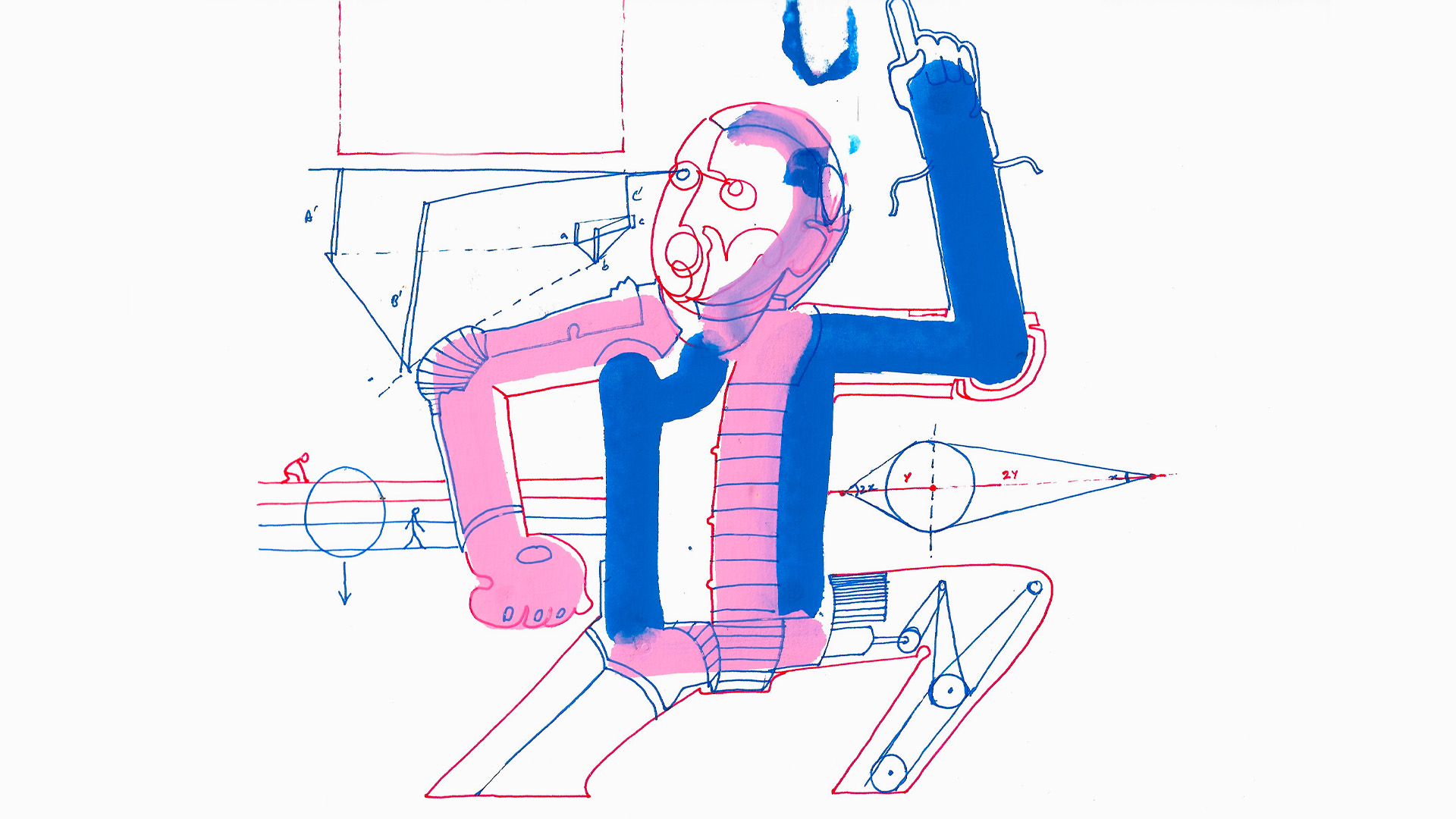
A DISCLAIMER AND A POSITION
I am no scientist, no institution, and no organisation. I do not claim scientifically proven facts to establish what I imagine about time, or later, about life.
In my defence, I can say this: I love mathematics. I love patterns. I love design. And I belong, loosely and happily, to the vast cradle of imaginative and creative thinkers.
Time has been seen, visualised, analysed, and imagined in countless ways. We have represented it as a straight line, a mesh, a labyrinth, and many other physical forms for what is essentially a non-physical entity.My thoughts on time focus on one particular aspect—though they may extend toward the larger idea of time itself.
THE PRIVATE EXPERIENCE OF TIME
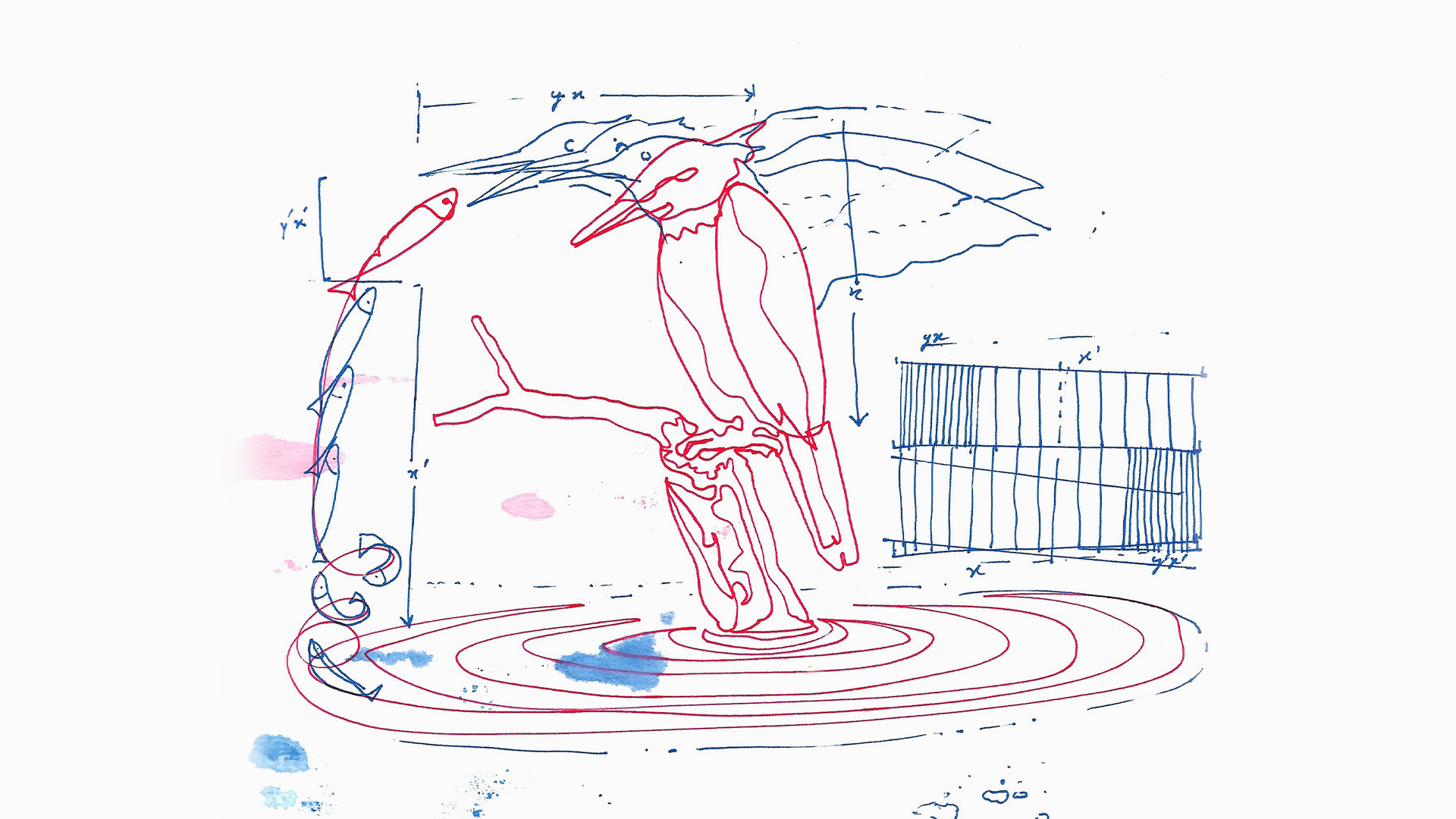
First, I feel that the time right now is not the same for me as it is for you. The time it takes me to write these words is not the same as the time it takes you to read them. I am not referring to writing speed or reading speed. By the clock, it may appear identical—three seconds for both of us. But in reality, those three seconds can contain very different inner journeys.
While writing, my mind moves through multiple thoughts. While reading, your mind does the same. These movements happen quickly within neural pathways, yet they are real journeys nonetheless. Time is spent there. The physical world does not account for this inner travel. Perhaps this is why we invented clocks—to standardise something that refuses to be naturally synchronised.
THE TIME MESH WE OPERATE WITHIM
Second, consider this: Person A completes a certain amount of work in 24 hours, while Person B—possessing similar physical, mental, and skill-based abilities—completes far less. We usually explain this difference through discipline, technique, intelligence, or effort. But we never say that one person has more time than the other.
I believe this is because each of us operates within an individual time mesh. How we bend it, compress it, stretch it, or expand it depends largely on us. If we compare two people purely on physical ability, the difference is often modest. But when viewed through the lens of one’s ability to expand internal time, the contrast can become immense.
Because this is not a physical space, it is not bound by physical limits. Entire layers of thinking, decision-making, and awareness can be embedded within a single action. Sometimes that action is as simple—and as loaded—as saying “yes.”
THE ELASTICITY OF THE UNIVERSE
Third, on a more holistic level, I feel that days, months, & years are not truly equal. The universe appears consistent, repeating itself year after year. Yet beneath this appearance, time may be constantly compressing & expanding at a universal—or even meta-universal—scale that we do not yet understand. Our instruments cannot detect this elasticity, not necessarily because it does not exist, but because they are aligned to fixed cosmic references, not to the deeper behaviour of time itself.
Our watches are bound to wrists and walls, not to the subtle mechanics of existence.This may sound abstract, but ask yourself something simple. Sitting where you are right now—on a chair, couch, bed, or floor—are you moving? The obvious answer is no. And yet, in reality, the Earth is moving through space at enormous speed. If it were to stop even briefly, we would be flung away. This is not imagination; it is basic physics.
Time, then, feels stationary only because we move with it.
TIME AS VOLUME, NOT LINE
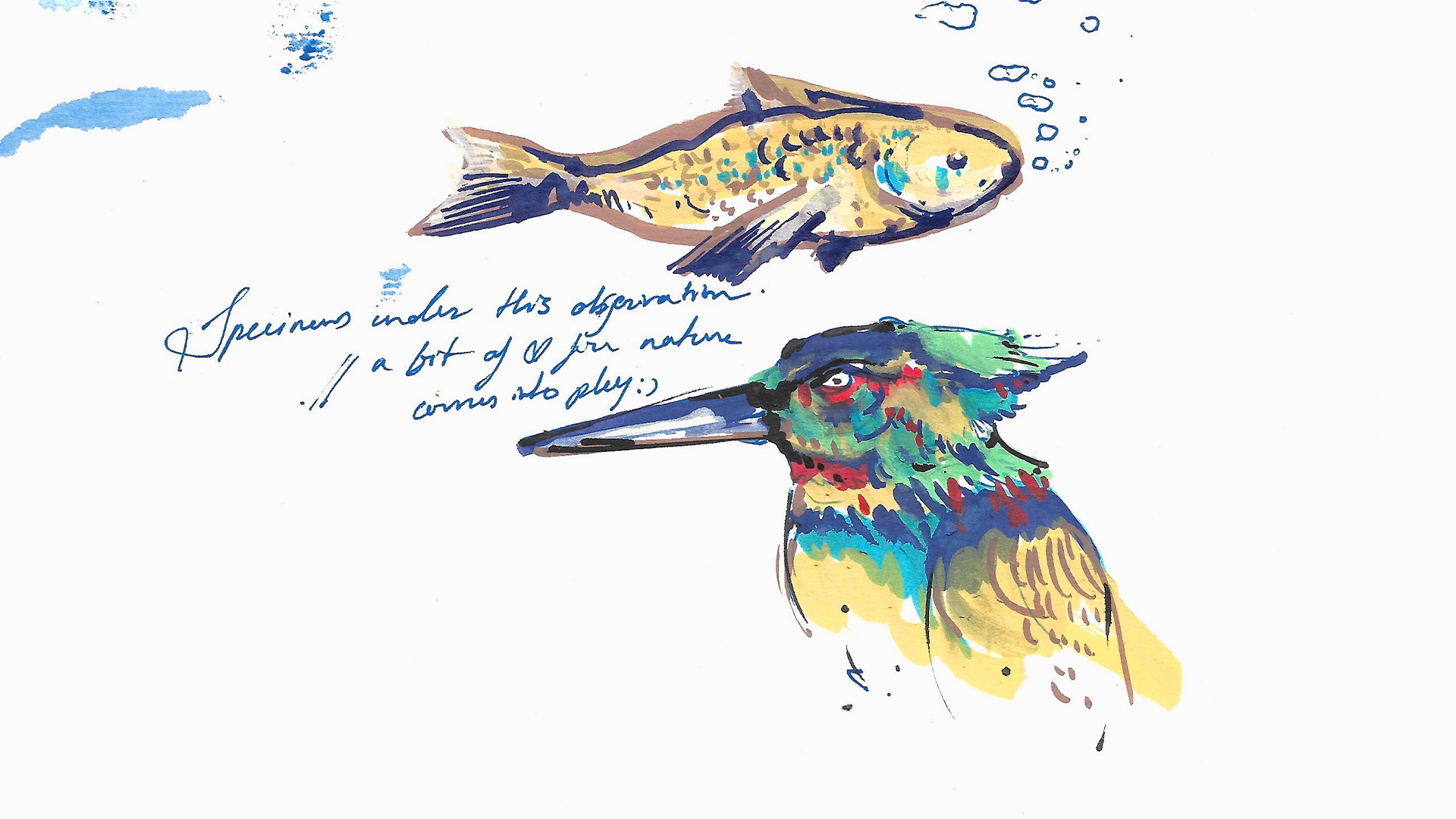
In summary, I feel that time is both an individual space and a shared field. We exist within an ever-changing lamina that is not a line, but a volume—a space whose grid lines are sometimes tightly packed and sometimes widely spread. We fall into it, adapt to it, and learn to use it as we grow.
Time is not a consistently running machine. Its pace varies—not randomly, perhaps, but according to larger patterns we cannot yet perceive. There is no master clock, no universal alarm—only continuous unfolding.
The watch on your wrist still matters. Following it can bring structure and success. But perhaps, over time, we do not merely follow clocks—we slowly learn to align with time itself.